2026-01-08
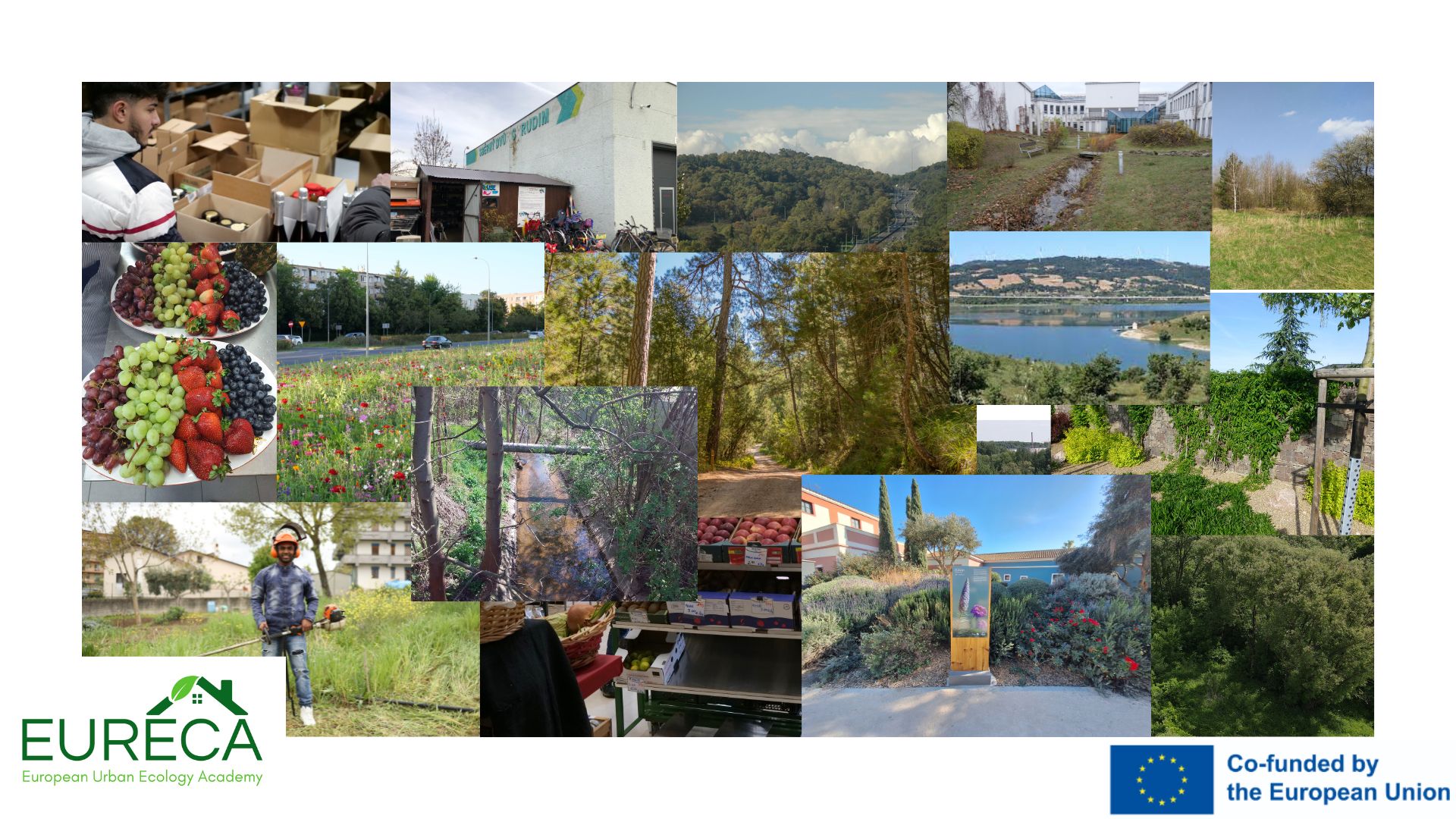
The final meeting of the EURECA (European Academy of Urban Ecology) project participants took place from 27 to 31 October in the Czech town - Chrudim. The organizer was the project partner Spolek absolventů a přátel zemědělské školy v Chrudimi z.s. The coordination meeting assessed the phases of the project implementation and prepared its final part, as two-year lasted project ends in December 2025. More you can read on p. 28.
Read More
2025-12-24
The final transnational meeting of the EURECA project was held in Chrudim, Czech Republic, from 27 to 31 October 2025, organised by partner Spolek absolventů a přátel zemědělské školy Chrudim z.s. (Association of Graduates and Friends of the Chrudim Agricultural School). At this coordination meeting, the project's implementation phases were assessed and the final part of the project, which ends in December 2025, was prepared. The meeting included several guided visits to examples of best ecological practices and environmental sustainability in and around Chrudim, which case studies report is available on the project website.
Read More
2025-12-24
On 30 November 2025, the EURECA website registered 626,530 visits, which confirms the upward trend in its use, particularly by learners of the e-learning course, of whom there were already 1,234. On the same date, the five modules of the course had already been read 1,760 times in all the languages of the course. Visitors to the Good Practices also increased, reaching 4,755, which shows the interest in examples of concrete actions in the field of the environment and urban ecology in the five countries of the consortium. Another interesting aspect of using the online platform is the number of readers of the two case studies published so far, which was 1,310. A number that is sure to increase with the publication of the third case study this December. All the statistical indicators relating to the results of the EURECA project are far exceeding expectations, which proves the interest that the project and its products are arousing among European citizens.
Read More
2025-12-24
The five modules of the EURECA course have been disseminated in audiovisual formats to make their content more accessible. This is the case with the videos posted on the platform and available on the EURECA PROJECT - YouTube channel, where you can watch them with subtitles in several languages with automatic translation. And also through reels posted on the project's Facebook pages, both in English and in the languages of the five consortium partners: ● Cities for People - https://www.facebook.com/reel/4214590445459513 ● Water - https://www.facebook.com/reel/1152647353445540 ● Energy - https://www.facebook.com/reel/1235165578517144 ● Waste - https://www.facebook.com/reel/1488081922248915 ● Green City - https://www.facebook.com/reel/836285642316705
Read More
2025-12-24
The piloting of the EURECA course took place in thirty face-to-face sessions in the five partner countries, bringing together 393 people and totalling 872.5 hours of experimentation. The aim of these presentation sessions and practical access to the e-learning course was to gather critical opinions from a wide range of adults to make improvements to the course's modules and learning materials. The thirty piloting sessions also contributed to increasing participants' awareness and knowledge of urban ecology and environmental problems in general, and of the implementation of the United Nations Sustainable Development Goals. Some also had a multiplier training action, such as in Poland, where the coordinating partner SocLab trained people who subsequently conducted training sessions in various locations and contexts. The critical appraisal asked of the participants focused on eight aspects: • Clarity and understanding of the content • Learning and novelty • Difficulties in understanding • Relevance of the content • Practical application of knowledge • Motivation to continue the course • Attention and involvement • Suggestions for improvement • Promotion and involvement of other participants The results were the subject of reports by the partners, from whose summaries they made improvements to the five modules and the learning materials of the course to arrive at its final version, available in free access.
Read More
2025-12-24
The United Nations Climate Change Conference, COP30, held in November, admitted that the goal of limiting global warming to 1.5 degrees Celsius compared to pre-industrial times, agreed 10 years ago at COP21 in Paris, will not be achieved. United Nations Secretary-General António Guterres, speaking in Belém do Pará, Brazil, said that ‘the world has failed to ensure that we stay below 1.5 degree’, adding: ‘It’s a moral failure and a deadly negligence’ for many thousands of people. ‘Many companies are making record profits from climate devastation, spending billions on lobbying, misleading the public and obstructing progress,’ said the UN secretary-general. COP30 ended without consensus on critical issues such as a commitment to reduce the use of fossil fuels, the definition of a roadmap for the energy transition and the reduction of greenhouse gas emissions. This lack of crucial decisions was strongly criticised by experts and environmental organisations. The governments of some developing countries also criticised the insufficient increase in funding for adaptation measures and the transition to low-carbon economies. Among the measures approved were the creation of a fund to reward countries that conserve their tropical forests, the recognition of the rights of indigenous peoples as agents of nature protection, and the adoption of a Global Adaptation Target, which is a common set of 59 indicators to measure progress in adapting to climate change, covering sectors such as water, health and infrastructure. The problems not resolved at this conference will be carried over to next year's COP31, which will be held in Turkey with Australia leading the negotiations with the support of the Pacific island states, whose existence is seriously jeopardised by the climate crisis.
Read More
2025-12-09
Internet Web Solutions (IWS) has successfully organized two public events to present the Eureca project, including its objectives and results, to a non-professional audience interested in urban ecology and environmental issues. The events were held in two separate sessions, bringing together a total of 79 attendees. The first session took place on July 16, 2025, and was attended by 16 people. The second session was held on November 13, 2025, and welcomed 63 participants across three different groups. Organization and Logistics From an organizational standpoint, IWS invited participants through its own social media channels and those of the Eureca project. The invaluable support and outreach from their associated partner, Arrabal, was also instrumental in promoting the events. Both sessions were hosted at Arrabal's facilities, which provided ease of access and allowed for the broadest possible capacity. Event Agenda The agenda for the events included the following key points: Presentation of the Eureca Project: Origin, partners, development, and current status. Key Results: Best Practices Case Studies Training Courses Newsletters Post-presentation Discussion and Attendee Feedback. Project Results Highlighted A significant portion of the presentation was dedicated to showcasing the Best Practices in urban ecology, which the consortium partners (from Spain, Italy, Poland, the Czech Republic, and Portugal) have compiled from their respective countries. The urban ecology training courses also played a prominent role in the presentations. The comprehensive training corpus includes the following courses: Cities for People Green City Less Energy, Better Future Waste Management Water Management All courses were presented with support from the Eureca online platform (https://www.eurecaedu.eu/), highlighting its functionality and accessibility. Furthermore, participants were introduced to the Case Studies focusing on the transnational consortium meetings in Lisbon (Portugal), Torrecuso (Italy), and Chrudim (Czech Republic). IWS representatives also presented the Newsletters prepared to date, which summarize the project's development and key milestones. Feedback and Engagement Following the formal presentation, attendees were given the opportunity to participate in a dynamic and informal feedback session. Participants were highly engaged and expressed significant interest in the project. The key takeaways from the feedback received include: High overall interest in the project. The Best Practices were considered an excellent idea for making the content accessible to the public. The free-access online platform received high praise. The training content was described as essential, relevant, up-to-date, and accessible. The most valued features highlighted by attendees were: the free cost of the courses, the engaging and practical nature of the content, and its availability in six languages, which facilitates the expansion of knowledge across Europe.
Read More
2025-12-01
The final meeting of the EURECA (European Academy of Urban Ecology) project participants took place in Chrudim in the last week of October. At this coordination meeting, the project implementation phases were evaluated and its final final part was prepared, as this two-year project ends in December 2025. https://chrudimsky.denik.cz/ctenar-reporter/ucastnici-evropske-akademie-mestske-ekologie-se-sesli-v-chrudimi.html
Read More
2025-11-19
The final meeting of the EURECA (European Academy of Urban Ecology) project participants took place from 27 to 31 October in the Czech town - Chrudim. The organizer was the project partner Spolek absolventů a přátel zemědělské školy v Chrudimi z.s. The coordination meeting assessed the phases of the project implementation and prepared its final part, as two-year lasted project ends in December 2025. This meeting included several guided tours with examples of best ecological practices and environmental sustainability in Chrudim and the surrounding area. The first demonstration vist was the restoration of the steppe in the Chrudim region between the municipalities of Libanice and Honbice, where the key factor for the restoration of flowering steppes is the return of grazing. In this case, Poitou donkeys were chosen. Other visits were the care of the city park and the revitalization of the small watercoutse near the city theater. The Agricultural Society in Ostřetín was also visited, where the principles of local dairy cattle breeding and the associated production and use of biogas as a self-sufficient source of energy and heat used for heating the company's buildings and surrounding businesses were explained to us. The lecture on the principles and, above all, the goals of the "Healthy City of Chrudim" project accrued great interest and many questions. The EURECA project is primarily focused on adult education and case studies of examples of good practice, that can be used in everyday life for the general public, were prepared as educational mate-rials. For this reason, the program also included a visit to a private property in the village of Topol, where the participants were explained how rainwater is collected and reused in gardens, as well as the function of a root treatment plant in a small garden like. As a bonus, a demonstration of biological protection of agricultural crops by using trained hunting birds of prey was organized for the meeting participants. In the Czech Republic, falconry was inscribed on the UNESCO Intangible Cultural Heritage List in 2010. More information about the project and freely accessible educational materials can be found on the project website https://www.eurecaedu.eu/
Read More
2025-09-01
The EURECA course has already been tested, until the end of July 2025, in 29 face-to-face sessions held in the five partner countries, bringing together 389 people who totalled 864.5 hours of experimentation. These presentation sessions and practical access to the e-learning course aim to gather opinions from a wide range of adults, from young university students to older and retired people, in order to obtain critical information that will enable improvements to be made and details to be adjusted in the modules and learning materials. The critical assessment requested from participants focuses primarily on eight aspects: ● Clarity and comprehension of the content ● Learning and novelty ● Understanding difficulties ● Relevance of the content ● Practical application of knowledge ● Motivation to continue the course ● Attention and engagement ● Suggestions for improvement ● Promotion and engagement of other participants These sessions are also a way of raising people's awareness and knowledge of urban ecology and environmental issues in general, and of contributing to the implementation of the United Nations Sustainable Development Goals. They can also be a multiplier training action, as was the case in Poland, where the partner SocLab trained people who subsequently held training sessions in various locations and contexts.
Read More
2025-09-01
The web statistics for the EURECA show a clear upward trend in its use, with two significant milestones in the increase in the number of visits: • In March 2024, the uploading of good practices marked a turning point, with visits jumping from 1,112 in February to 4,353 in March. This jump reflects growing interest from users seeking practical and applicable ecological strategies. This trend continued in the following months, with a steady increase in traffic. By May 2024, visits exceeded 11,000, demonstrating sustained interest, likely due to dissemination efforts and word-of-mouth among stakeholders. • The second milestone occurred in March 2025, coinciding with the publication of the training material in all partner languages. Visits surged from 11,551 in February to an impressive 32,373 in March 2025, confirming the importance of multilingual access to resources. The months that followed retained high engagement levels, suggesting the training offer has a lasting impact. These statistics highlight the EURECA platform’s role as a growing reference point in urban ecology education. The publishing of practical and multilingual resources has proven key to attracting and retaining visitors. Good Practices statistics Good Practices have become one of the results most valued by users, given the high volume of online visits. They include examples of real environmental and urban ecology actions in all the countries of the consortium. In total, they have been consulted 3679 times in all languages. The most visited Good Practices by language were: • Renewable energy cooperative (EN) 180 visits • Revitalizace vodního toku Bukovka v Živanicích (CZ) 160 visits • Stabilimenti dell'acqua e piano generale di drenaggio di Lisbona (IT) 54 visits • Fábricas de Água e o Plano Geral de Drenagem de Lisboa (PT) 53 visits • Fábricas de agua y Plan Director de Drenaje de Lisboa (LDMP) (ES) 40 visits) • Caffè dell'orto - Kawa w ogrodzie (PL) 23 visits Training statistics One of the main objectives of the EURECA project is to develop an educational corpus on urban ecology aimed at the general population and specifically at adults without specific training or knowledge on the subject. To achieve this objective, five training modules were developed and translated into five languages: • Cities for People • Green City • Less energy, better future • Waste management • Water management Users have very well received the e-learning course, as evidenced by the visit statistics. Until the end of July, 855 access to course modules have been registered. 180 courses have been completed 100% in one session, and based on the number of visits, we can estimate that at least another 200 courses have been completed in two or more sessions. All statistical indicators related to the results of the EURECA project are far exceeding expectations, which is evidence of the interest that the project and its results are receiving from audiences across Europe.
Read More
2025-09-01
The EURECA project already has ten associated partners, in addition to the five organisations that make up the consortium. You can find details about each of them on the Community page of the website, but here is a quick overview of who they are. Poland Bialystok University of Technology is the largest technical university in northeastern Poland, with a tradition of over 70 years in educating engineering professionals and highly qualified research staff. The university comprises six faculties and serves 7,000 students, offering a wide range of courses. Knyszyn Forest Landscape Park is one of Poland's largest protected forest complexes, located in the Podlasie region. It is known for its rich biodiversity, including a variety of plant species and wildlife, and unique landscapes shaped by post-glacial formations. Spain ARRABAL-AID is a social and non-profit organization working for full employment and social integration of people, especially the most vulnerable, supporting them through measures and actions with social impact. IT Solutions for All is a non-profit organization that seeks promoting training on Information and Communication Technologies for low-skilled people to empower them and let them function comfortably to daily life. Tribeka is a training lab providing working experience, training courses, workshops and seminars for students and adults. Based in Malaga, Tribeka is part of ETN International, a network of European providers of training. Portugal Lisbon CLDD Network (Lisbon Community Led Local Development Network) is an association that gathers two hundred organisations around a local development strategy focused on education, employment, and inclusion in the Lisbon Metropolitan Area. Residents Association of the Padre Cruz Neighbourhood is a local organisation that represents the residents of Padre Cruz neighbourhood in relation to the municipal social housing management company and the Lisbon City Council. Drive Impact is a collective of people focused on solutions with environmental and social impact that created in Lisbon the Ciclopes project, which promotes the use of bicycles as a mean of democratising mobility, territorial integration, and social inclusion. Czechia Secondary Agricultural School and Higher Vocational School Chrudim is a school educating landscape and animal care experts. In addition to secondary education, offer studies at a higher vocational school with a focus on ecology and the environment. Green House of Chrudim is an association that deal with ecological education, environmental consultancy, and practical care of the environment in the Pardubice region, especially in Chrudim.
Read More
2025-09-01
The third United Nations Ocean Conference (UNOC3) culminated in the adoption by consensus of a Declaration entitled Our Ocean, Our Future: United for Urgent Action which reaffirms the vital importance of the ocean for life on the planet and warns of the global emergency resulting from climate change, the loss of marine biodiversity and the pollution of the seas. The document underlines the collective commitment of Member States to the conservation of marine ecosystems and the development of sustainable blue economies and highlights the need for awareness-raising and education campaigns at all levels, with a special focus on ocean literacy and the involvement of children and young people. A total of 175 nations declared their ‘strong’ commitment to conserve and sustainably use the ocean, seas, and marine resources, demonstrating broad international support. Nice Action Plan UNOC 3, which took place in Nice from 9 to 13 June, also approved the Nice Action Plan, a roadmap for turning good intentions into concrete measures and accelerating the achievement of SDG 14 – Life Below Water. Among the main goals and commitments are: ● Protect at least 30% of the ocean with effectively protected and well-managed marine areas by 2030. ● Eliminate fishing subsidies that favour unsustainable practices and redirect these resources to low-impact and socially just activities. ● Protect coastal areas and restore ecosystems such as wetlands and seagrass beds, recognised for their ability to capture carbon and protect coastal areas. ● Ensure that public and private financing is significant, accessible, transparent, participatory and respects human rights. For UNOC3 decisions to translate into tangible results, it will be essential to: ● Establish monitoring mechanisms and periodic reports that measure progress towards each goal. ● Strengthen alliances between governments, civil society, the private sector, and coastal communities, promoting local and regional partnerships. ● Expand the technical and financial capacity of developing countries, ensuring that no one is left behind. The UNOC3 was co-organised by France and Costa Rica. The first United Nations Ocean Conference was co-organised by Sweden and Fiji in 2017 in New York, and the second by Portugal and Kenya in 2022 in Lisbon.
Read More
2025-06-19
The first carbon capture project in Portugal was launched in February 2025 at the S. João da Talha Energy Recovery Plant, managed by Valorsul, the entity responsible for managing urban waste in Greater Lisbon and the Western Region (see Good Practice: Production of energy from urban waste ). It is a pilot project that tests a cutting-edge technology that, through a 100% electrified process, captures CO₂ from industrial gases, using a highly selective solvent and ensuring safe and efficient operation. The project will optimize the performance of the entire process at the Energy Recovery Plant and reduce its environmental impact. Currently, the captured CO₂ can be reused through geological storage or through chemical processes that allow the production of synthetic fuels, plastics, and construction materials such as carbonated concrete. It can also be used in the food industry, for example, in the carbonation of beverages. Another possible application is the conversion of CO₂ into useful chemicals, such as methanol or polymers, using green hydrogen.
Read More
2025-06-01
In this issue of the newsletter you will find information, on page 18, about the piloting of the e-learning course in all languages of the participating countries. The e-learning course has five modules focusing on the following areas: urban ecosystem, water, energy, waste and green city.
Read More
2025-04-15
The second international EURECA (European Academy of Urban Ecology) project meeting took place in Malaga, Spain, in January 2025. The participants of the meeting evaluated the implementation of the project and the activities already completed. They also agreed on the start date of the e-learning course. https://chrudimsky.denik.cz/zpravy_region/chrudimsky-spolek-je-soucasti-evropskeho-projektu-eureca-resi-zivotni-prostredi.html?prhttps://chrudimsky.denik.cz/ctenar-reporter/chrudimsky-spolek-je-soucasti-evropskeho-projektu.html
Read More
2025-04-01
In January 2025, the third transnational meeting of the project within the framework of the Erasmus+ program, EURECA, took place in Malaga, Spain. This effective and interesting meeting included guided tours of examples of good ecological practice and environmental sustainability in Malaga. More information can be found on page 16.
Read More
2025-02-28
The third transnational meeting of the Erasmus+ project European Urban Ecology Academy (EURECA) took place in Malaga, Spain, from 27 to 31 January, organised by Internet Web Solutions, one of the five consortium partners. During the meeting, an evaluation of the project implementation was conducted and preparations were made for the launch of the e-learning course on urban ecology, consisting of five modules covering the following topics: urban ecosystems, water, energy, waste and green cities. The meeting included guided visits to examples of good ecological practices and environmental sustainability initiatives in Malaga, as well as a visit to the International Training Centre for Authorities and Leaders, which operates under the United Nations Institute for Training and Research. There, discussions were held on the 2030 Sustainable Development Goals. One of the places visited was the Hotel Mariposa, whose facade is covered with a vertical hydroponic garden irrigated with recycled water. Located in the centre of Malaga, it is an example of the integration of natural principles into building architecture in an urban environment. Another place visited was Plaza Mayor, one of the best practices included in the EURECA course. During a morning visit, representatives of the partners consortium had the opportunity to explore in detail the gardens of this shopping centre. These gardens form a true ecosystem, combining a wide variety of plants and animals in a natural and sustainable approach, supported by an elevated level of technology. The Historical Botanic Garden La Concepción, north of Malaga and founded in 1855, was another site visited. The garden is home to more than 50,000 plants, including 3,000 tropical, subtropical and native species, and absorbs around 2,670 tonnes of CO2 per year. It is classified as a Site of Cultural Interest. In 2019, the garden hosted a meeting of the Ibero-Macaronesian Association of Botanic Gardens, where the Malaga Declaration on Climate Change will be approved.
Read More
2025-02-28
The EURECA course on urban ecology will be tested between April and July in the five project partner countries (Czechia, Spain, Italy, Poland and Portugal), in the national language version of each country. The course also has an English version, available on the website. The course, in online digital format, consists of five modules with five units each, covering various aspects of the key issues of urban ecology in a practical approach related to people's daily lives and their impact on the environment. The themes of the modules and units are as follows: M1. CITIES FOR PEOPLE U1. People-centred urban planning. U2. Architecture and Construction. U3. Mobility and Accessibility. U4. Production and consumption. U5. Citizen’s participation. M2. WATER MANAGEMENT U1. Water shortage. U2. Water revitalisation. U3. Urban islands. U4. Irrigation. U5. Water retention in the landscape. M3. LESS ENERGY, BETTER FUTURE U1. Pro-environmental management of electricity. U2. Pro-environmental thermal energy management. U3. Community and local energy initiatives. U4. Energy management in cities. U5. DIY: how to build a solar kitchen. M4. WASTE MANAGEMENT U1. Introduction: Basics of urban waste management U2. Recycling and Reuse: transforming waste into resources. U3. Circular economy and waste. U4. Community involvement and behaviour change. U5. Environmental and health impacts of urban waste. M5. THE GREEN CITY U1. Benefits of greenery at home and in the city. U2. Plants at home, environmentally friendly growing methods. U3. Plants in the garden, organic growing methods. U4. Green building applications. U5. Neighbourhood and urban green spaces. The tests will serve to assess the adequacy of the course materials to the needs and expectations of a wide variety of adult learners and identify necessary and possible improvements. In the meantime, EURECA invites people to check and improve their knowledge of urban ecology by using the first version of the course already available on the website.
Read More
2025-02-28
The World Meteorological Organisation (WMO) has confirmed that 2024 was the hottest year ever recorded, with a global average temperature increase of 1.55 degrees Celsius (°C) above the pre-industrial average of 1850-1900. Similarly, January 2025 was the warmest ever recorded, with the global average temperature 1.75°C above pre-industrial levels. The Copernicus Climate Change Monitoring Service reports that last January was the 18th out of the last 19 months to exceed the 1.5°C increase—the threshold set by the Paris Agreement for global warming above the pre-industrial levels. The European Copernicus service highlights that not even the occurrence of La Niña — a cyclical natural weather phenomenon that cools the Pacific Ocean, counteracting the warming effects of El Niño — was not enough to prevent January from being the hottest month on record. Global warming is also increasing in the ocean, with 2024 recording the highest sea surface temperatures and ocean heat content in the upper 2,000 metres ever observed. This conclusion comes from 54 scientists from seven countries and 31 institutes, who analysed a huge dataset and published in January the article "Record High Temperatures in the Ocean in 2024" in the magazine Advances in Atmospheric Science. Glaciers are also suffering the effects of global warming, with an annual loss of 273 billion tonnes of ice since the beginning of the century. This is the finding of 61 scientists from 49 research centres in18 countries, who published the article "Community Estimate of Global Glacier Mass Changes from 2000 to 2023" in Nature this February. On a global scale, European glaciers in the Alps and Pyrenees are melting the fastest. Since 2000, the loss of glacier ice has already contributed to an 18 millimetre rise in sea level. The threat of glacier disappearance has prompted United Nations General Assembly to declare 2025 the International Year of Glacier Conservation. On 21 March, the world will celebrate the first World Glacier Day. The climate crisis has worsened in 2024, which "means we have to fight even harder to get on the right track. The extreme temperatures of 2024 demand bold climate action in 2025. There is still time to avoid the worst of climate catastrophe. But world leaders must act now," said UN Secretary-General António Guterres. Sources: https://wmo.int/topics https://www.copernicus.eu/en Record High Temperatures in the Ocean in 2024 | Advances in Atmospheric Sciences Community estimate of global glacier mass changes from 2000 to 2023 | Nature 2025 International Year of Glaciers’ Preservation | International Year of Glaciers’ Preservation
Read More
2025-02-28
The European Council and Parliament have agreed to reduce food and textile waste in the European Union (EU). Food waste will be subject to binding reduction targets to be met at national level by 31 December 2030. Textiles will be subject to a waste tax to be paid by producers and fashion brands. The Food Waste Reduction Agreement sets a target of a 10% reduction in food processing and manufacturing, and a 30% per capita reduction in retail, restaurants, catering and households. These targets, the first set at EU level, will be measured against the average annual waste generated between 2021 and 2023. Currently, EU countries collectively generate nearly 60 million tonnes of food waste - equivalent to 130 kilograms per European citizen. The agreement also encourages the voluntary donation of unsold food that is still safe for human consumption, a practice already in place in several European countries. On reducing textile waste, the agreement will make manufacturers and fashion brands responsible for paying a tax to co-finance the collection and treatment of textile waste. This tax will vary according to the durability and recyclability of the products, and will aim to discourage the excessive production of fast fashion, where garments are discarded before reaching their full lifespan. Textile and clothing production and consumption are among the most polluting activities worldwide, generating 12.6 million tonnes of waste annually in the EU—equivalent to 28 kilograms per European citizen. Under current regulations, EU Member States have already been required to set up selective collection schemes for textile waste since 1 January this year. The provisional agreements now reached between the Council Presidency and representatives of the European Parliament need to be ratified by both institutions before the formal adoption process. Once approved, Member States will need to update their national legislation to comply with the new rules.
Read More
2024-12-01
This newsletter provides information, on page 16, about the activities of the association and its projects, especially the ongoing EURECA project.
Read More
2024-09-01
In this published newsletter, on page 15, you can read about the main objectives of the EURECA project.
Read More
2024-07-31
The European Union Nature Restoration Law (NRL) had its final approval in June, with the objectives of restoring ecosystems, habitats and species in decline. All EU countries will have to adopt a National Restoration Plan, with specific targets. By 2030, at least 30% of terrestrial, coastal, marine and freshwater habitats in an unfavorable state of conservation must be restored. By 2040 the percentage will increase to 60% and by 2050 to 90%. EU Member States will also have to ensure that no significant deterioration occurs in the areas subject to restoration. The NRL is an important part of the European Green Deal, providing for several important actions to achieve the nature recovery objectives: ● Habitat Restoration: Implementation of measures to restore degraded habitats, such as forests, wetlands, rivers and coastal areas. ● Species Reintroduction: Programs to reintroduce native species that have become extinct or are in danger of extinction. ● Pollution Reduction: Actions to reduce soil, water and air pollution, which negatively affect ecosystems. ● Sustainable Agriculture: Promotion of sustainable agricultural practices that protect biodiversity and natural resources. ● Protection of Marine Areas: Creation and expansion of protected marine areas to conserve marine life and coastal ecosystems. ● Monitoring and Reporting: Establishment of monitoring systems to track the progress of restoration actions and report results regularly. For bigger cities, the Nature Restoration Law foresees several actions, of which the following stand out: ● Creation of Green Spaces: Increase the quantity and quality of parks, gardens and urban green areas to provide habitats for local fauna and flora. ● Ecological Corridors: Establish ecological corridors that connect different green areas, allowing the safe movement of species and promoting biodiversity. ● Green Roofs and Walls: Encourage the installation of green roofs and walls on buildings to improve air quality, reduce urban temperatures and create new habitats. ● Rainwater Management: Implement sustainable rainwater management systems, such as rain gardens and retention basins, to reduce flood risk and improve water quality. ● River and Stream Rehabilitation: Restore urban waterways to improve water quality, create aquatic habitats and reduce flood risk. ● Promoting Urban Agriculture: Support the creation of community gardens and other forms of urban agriculture to increase food resilience and promote biodiversity. These actions to restore nature in cities will improve the quality of life of their inhabitants, providing leisure spaces, reducing pollution and mitigating the effects of climate change.
Read More
2024-07-31
The European Green Deal (EGD) is a political and economic strategy that aims to make the European Union (EU) climate neutral by 2050, making the fight against climate change the new model of economic and social growth. The EGD was presented by the European Commission in December 2019 and since then the 27 EU Member States have been producing legislation, launching initiatives and setting objectives, such as, for example, reducing greenhouse gas emissions in 55% by 2030 compared to 1990 levels. The EGD is a transversal strategy that covers several sectoral policies and a vast set of actions articulated in eight areas: 1. Increasing the EU's climate ambition (net zero greenhouse gas emissions by 2050) 2. Providing clean, affordable and safe energy 3. Mobilizing industry for a clean and circular economy 4. Building and renovating in an energy and resource efficient way 5. Zero pollution ambition for a toxic-free environment 6. Preserving and restoring ecosystems and biodiversity 7. Ensuring a fair, healthy and ecological food system 8. Accelerating the shift to sustainable and smart mobility The implementation of measures in these eight areas calls upon an essential pillar of the EGD, which is Research and Innovation. Another pillar of the EGD is the Just Transition Mechanism, with the mobilization of 100 billion euros to finance the investment necessary for the transition without leaving anyone behind. Faced with the universal dimension of ecological problems and the climate threat, the EGD also aims to place Europe at the forefront of international negotiations on climate and biodiversity, through the so-called “green diplomacy” and providing financial support to countries on other continents. The European Green Deal is a complex and vast political, economic and social program, which faces challenges and implementation difficulties due to the contradictory interests that exist at the root of the problems it seeks to solve. Some important measures have been taken, at the end of long negotiations, such as the European Climate Law, in July 2021, and the Nature Restoration Law, in June 2024.
Read More
2024-07-31
The City's Natural Diversity conference took place on June 20-21, 2024, in Białystok, Poland. This event brought together scientists, experts, local government officials, and environmental activists to discuss issues related to protecting and promoting biodiversity in urban environments. As part of the conference, attendees visited a number of public spaces in Białystok which were designed to be nature-friendly. These included the city’s apiary and the Marczukowskie Ponds. Białystok has established large areas of flower meadows that provide crucial habitats for various pollinators. Honeybees have also settled in an old tree trunk in the city's nature reserve, Rezerwat Zwierzyniecki. Additionally, several apiaries have been set up in different locations across the city, producing high-quality honey used for promotional purposes by the Białystok City Hall. The Marczukowskie Ponds, part of Białystok's blue-green infrastructure, have been developed and made accessible to residents. These interconnected water bodies and a small river serve as recreational areas for people as well as habitat for birds, amphibians, beavers, and other mammals. Other topics discussed at the conference included: ● The importance of biodiversity in cities. ● Methods of protecting nature in urban settings. ● Science and education on urban biodiversity. ● Protecting and creating wildlife habitat. ● Managing rainwater. ● The role of forests and trees in the city. ● Adapting to climate change. ● Sustainable urban planning. ● Involving local communities. ● Synergy and conflict of interests. Key takeaways from the conference Effective Communication: Collaboration requires open and regular communication among all stakeholders. Common Goals: Setting shared goals and values is crucial for effective partnerships. Flexibility: Partners must be willing to compromise and be flexible in their approach to project implementation. Long-Term Planning: Sustainability and durability of projects require long-term planning and commitment.
Read More
2024-06-04
Lentamente Societá Cooperativa Agricola has reclaimed and rehabilitated abandoned land and has established an urban social farm in the province of Benevento. Lentamente and its partners, including Coop La Solidarietà, use social farming as an innovative tool to respond to the socio-economic challenges faced by the local community. The social farming project ensures the social inclusion of disadvantaged communities and provides them with education and employment benefits. https://vimeo.com/710478650
Read More
2024-06-01
In this newsletter, on page 11, you will find more information about the implementation of the Polish EURECA project. The project participants completed their first theoretical part in adult education by preparing 45 examples of good practice.
Read More
2024-03-01
Spolek absolventů a přátel zemědělské školy v Chrudimi, z.s. became a partner in 2023 of an interesting Polish project called the European Urban Ecology Academy (EURECA), in which other partners from Italy, Portugal and southern Spain are also involved. You can read more information on page 10.
Read More
2024-02-28
The last 2 months have been a period when all EURECA Project partners have been preparing descriptions of good practices of environmental activities in the Czech Republic, Italy, Poland, Portugal and Spain. Examples were found of the implementation of Sustainable Development Goals set within the Agenda 2030. The SocLab Foundation described the developing energy cooperatives in Poland, which supply local communities with electricity from photovoltaics. Another interesting solution from Poland is flower meadows in cities instead of traditional lawns. Flowers in the city not only look beautiful, also give shelter and food to many useful insects and birds. In turn, the protection of birds from collisions with transparent glass is served by modern protective films at the University of Bialystok. Birds and small mammals have found good habitat on a renaturalized stretch of river in the center of the city of Bialystok. Raising curiosity, but also controversy, the Polish partner describes a solution to reduce greenhouse gas emissions, deforestation. With the same objective, explains a feeding model in a school canteen where meat is served only 2 days a week. Portugal's EDU.IN association focused on technological solutions, describing methods for producing energy from waste and solar, recycle water for reuse, sustainable construction, and did not shy away from topics related to urban biodiversity, using Lisbon and its horticultural parks and green corridors as examples. Gramigna Associazione described a store operating on the principle of a cooperative of local suppliers farmers, a commerce that supports the local community and environmentally friendly crops. Partner IWS from Spain described innovative seawater desalination plant, an innovative urban garden next to a large shopping center, and a climate adaptation plan for the Zaragoza city. An association of agricultural school graduates from the Czech Republic showed methods for restoring degraded areas, methods for preserving tree alleys, a biogas plant and a store with recycled items. These are just some of the eco-friendly good practices described. All of them, with broader descriptions, will soon be available to read on the EURECA Academy website. https://www.eurecaedu.eu
Read More
2024-02-14
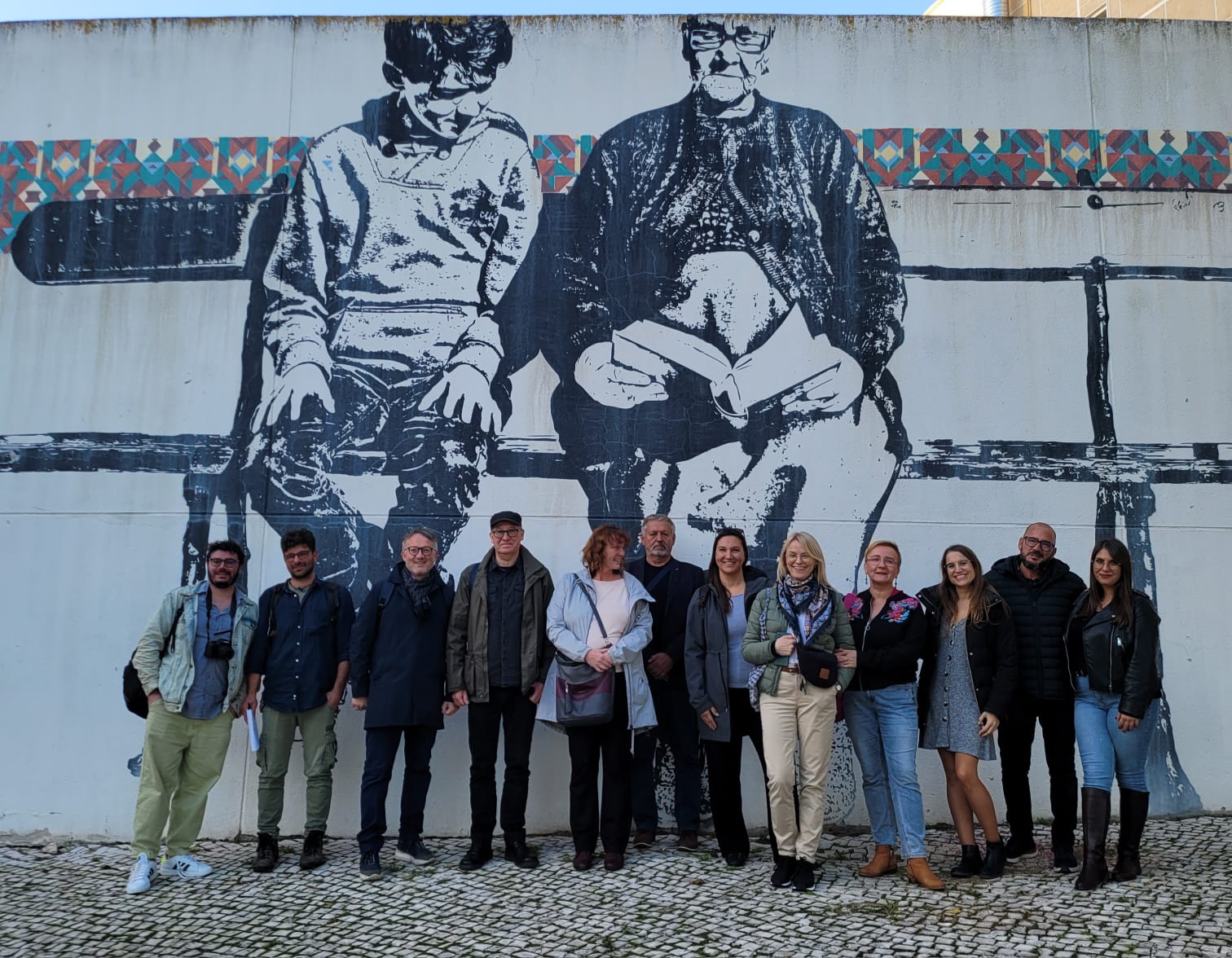
The first EURECA (European Academy of Urban Ecology) international project kick-off meeting took place in November 2023 in Lisbon, Portugal https://chrudimsky.denik.cz/ctenar-reporter/eureca-mezinarodni-ekologicky-projekt-20240214.html
Read More
2024-01-16
Partner group from Poland, Czech Republic, Spain, Portugal and Italy, started the project 'EURECA - European URban ECology Academy' in the framework of the Erasmus+ adult education programme at the beginning of September 2023. An educational programme on environmental protection and pro-environmental behaviour will be developed at the level of the individual, household, headquarters/office of the organisation/institution/company. The target audience is people who are not professionally involved in ecology and the aim is to transfer knowledge about practical solutions that can be applied by the 'common man', who has no specialist ecological or technical knowledge. The main outcome of the project will be an online training programme. An e-learning platform will be created and partners will carry out a full remote training cycle in Poland and in the Czech Republic, Spain, Portugal and Italy in 2025. Our consortium: Fundacja SocLab - Poland (project leader) Gramigna Associazione - Italy EDU.IN Associação para a Educação Integral - Portugal Spolek absolventů a přátel zemědělské školy v Chrudimi z. s.. - Czech Republic Internet Web Solutions - Spain The project is co-financed by the EU under the Erasmus+ programme.
Read More